
Mudra & Chanting, as taught by Shri Moni Bhaskar, a distinguished Vaastu expert in India, combines ancient hand gestures (Mudras) and vocal recitations (Chanting) to harmonize and channel energies within the body and environment. This practice draws from the rich traditions of Yoga, Ayurveda, and Vaastu Shastra, aiming to balance the subtle energies (prana) and enhance overall well-being. Shri Bhaskar emphasizes the therapeutic benefits of Mudras, which involve specific hand positions believed to stimulate different parts of the body and mind, promoting physical health and mental clarity. Chanting, on the other hand, utilizes sacred sounds or mantras to evoke spiritual vibrations and align one’s consciousness with higher states of awareness, fostering inner peace and spiritual growth.
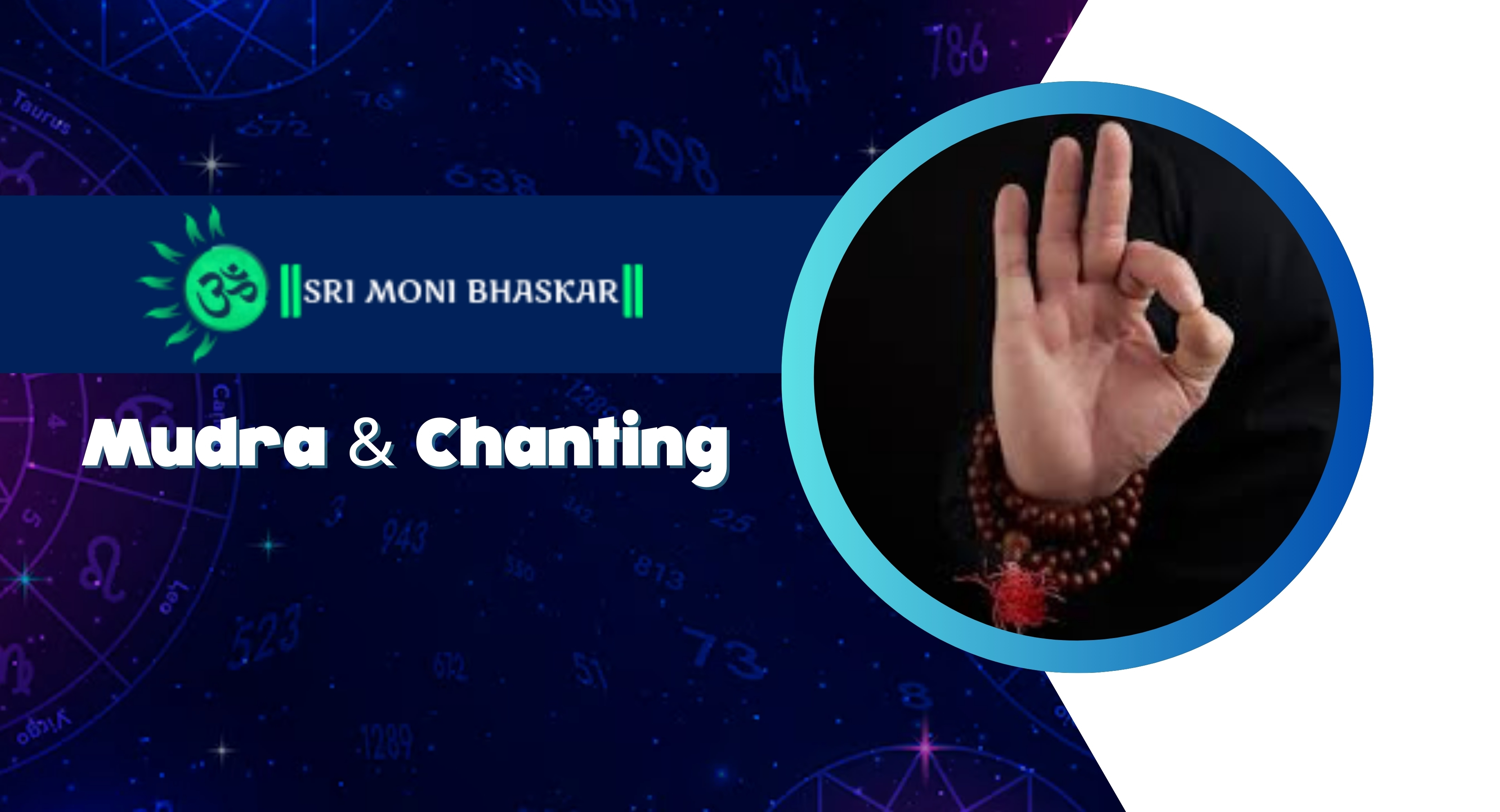
Mudras and chanting work together to harmonize your inner energy and create a sense of calm, clarity, and focus. Mudras—hand gestures used in yoga and meditation—help activate specific energy channels in the body. By engaging the fingers in intentional positions, you can stimulate relaxation, improve concentration, and balance your emotional state. These simple gestures make it easier to quiet your mind and settle into a centered, grounded space. It is also a powerful meditation symbol for our daily life.
Chanting adds another layer of power by using sound vibrations to soothe the nervous system and elevate your mood. Repeating mantras creates rhythmic patterns that slow your thoughts, reduce stress, and deepen your spiritual connection. The vibrations can also enhance breathing, promote mindfulness, and open the heart to positive energy. Together, mudras and chanting create a holistic practice that supports emotional healing, mental clarity, and a stronger sense of inner peace.
The history of mudras and chanting stretches back thousands of years, rooted deeply in ancient spiritual traditions. Mudras—specific hand gestures—originated in the early practices of Hinduism, Buddhism, and later yoga. Ancient texts like the Vedas and Upanishads describe mudras as powerful tools for directing energy within the body, enhancing meditation, and communicating symbolic meanings. In classical Indian dance and temple rituals, mudras were used to express emotions, tell stories, and connect with the divine. Over time, yogis discovered that these gestures also influenced mental balance, breath flow, and inner healing.
Chanting has an equally rich history. Sacred sounds like “Om” were considered cosmic vibrations that connected humans to the universe. Vedic priests chanted mantras during rituals to invoke protection, blessings, and spiritual awakening. These chants were passed down orally for generations, believed to purify the mind and create harmony in the environment. Buddhism later adopted chanting as a path to mindfulness and enlightenment, using mantras to cultivate compassion and focus.
Together, mudras and chanting evolved into powerful meditation practices that survive today. Their history reflects a universal desire for peace, healing, and connection—a spiritual wisdom that continues to inspire millions around the world
Starting to use mudras is an easy way to bring more calm and focus into your life. These simple hand gestures help you slow down, breathe deeply, and reconnect with yourself. You don’t need experience or special tools—just your hands and a moment of intention.
As you practice, you’ll notice how mudras can reduce stress, improve clarity, and create a sense of inner balance. They fit effortlessly into your daily routine and offer quick relief whenever your mind feels scattered. Once you feel their grounding power, you’ll wonder why you didn’t start sooner
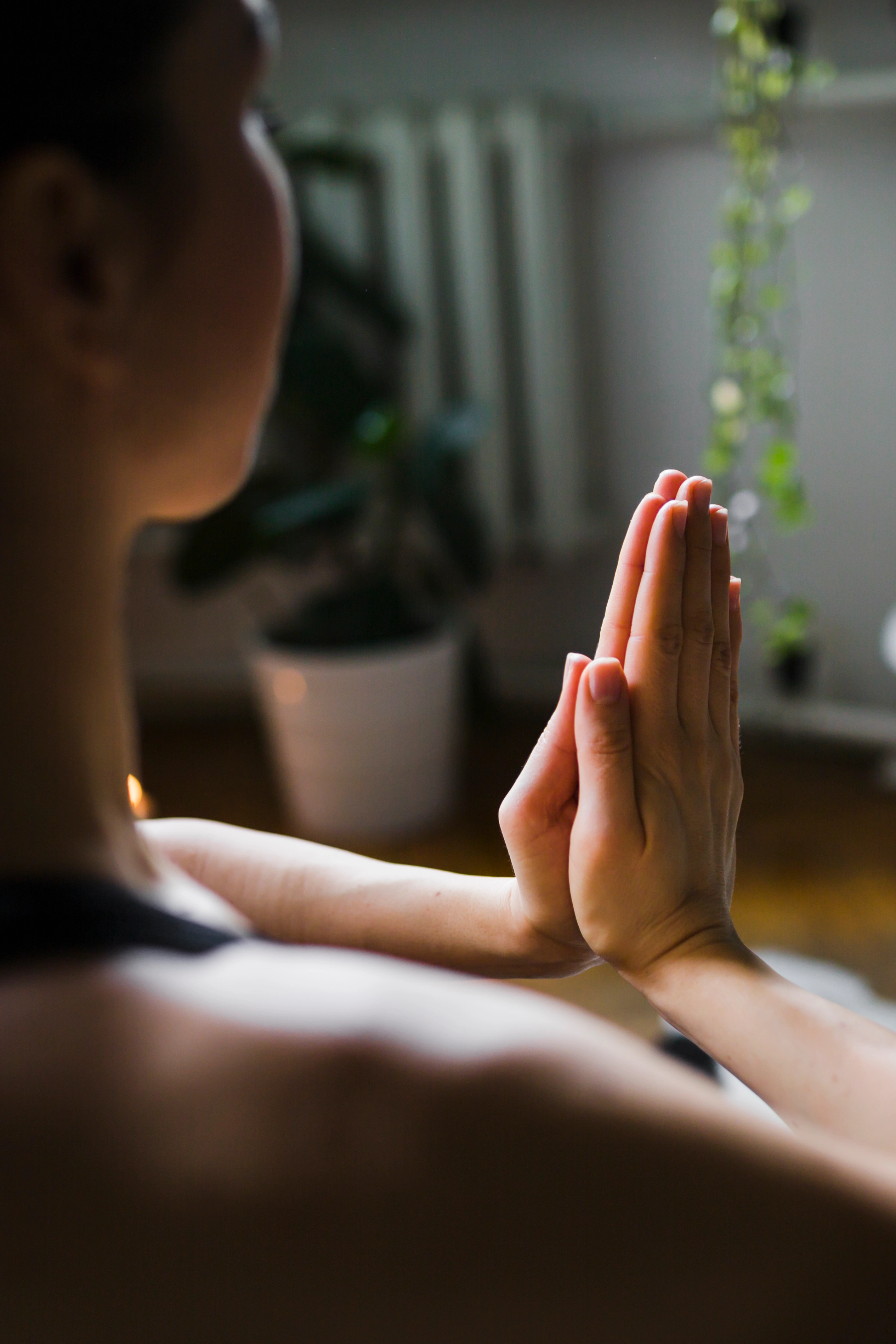
1. Morning Grounding : Start your day with Gyan Mudra (thumb + index finger). Sit comfortably, breathe slowly, and set your intentions. This boosts mental clarity and prepares you for the day
2. During Work or Study : Use Hakini Mudra (fingertips touching) to improve concentration and memory. It’s perfect for moments when your focus starts to slip.
3. Stress or Anxiety Moments : Practice Prana Mudra by touching the thumb to the ring and little fingers. This helps calm your energy and reduces emotional tension instantly.
4. Before Meditation or Prayer :Try Anjali Mudra (palms together) to center your mind and open your heart. It creates a peaceful mental state.
5. Before Sleep :Use Shuni Mudra (thumb + middle finger) to release stress from the day. It promotes relaxation and improves sleep quality.
Incorporating mudras throughout your day helps keep your mind calm, your energy balanced, and your spirit aligned—anytime, anywhere.
Shri Moni Bhaskar’s teachings on Mudra & Chanting encompass various core elements: Mudra Techniques: Participants learn precise hand gestures that correspond to specific elements and energies within the body. These Mudras are believed to facilitate the flow of prana and promote balance in bodily functions and emotions. Chanting Mantras: The practice includes the recitation of powerful mantras or sacred sounds that resonate with cosmic energies. Chanting helps to purify the mind, elevate consciousness, and invoke divine blessings for personal and spiritual growth. Integration with Vaastu: Shri Bhaskar integrates Mudra & Chanting practices with Vaastu principles to optimize their effectiveness. By aligning these practices with the directional and elemental energies in a space, practitioners can enhance their healing and transformative benefits, creating a harmonious environment for living and meditation.

Engaging in Mudra & Chanting practices under the guidance of Shri Moni Bhaskar offers numerous benefits: Physical Well-being: Mudras can alleviate ailments, improve circulation, and enhance flexibility by activating specific energy pathways in the body. Mental Clarity: Chanting mantras aids in concentration, reduces stress, and promotes mental calmness, leading to improved cognitive function and emotional stability. Spiritual Growth: Both Mudras and Chanting facilitate spiritual growth by aligning the practitioner’s energies with higher consciousness and spiritual realms. This integration supports inner peace, spiritual awakening, and a deeper connection with divine energies.