

Posted Date: 23 Nov, 2026
Hello Reader!
Welcome to the blog page of Sri Moni Bhaskar, the Best astrologer in Kolkata.
Buying or building a new home is one of the most important milestones in life. A home is not just a physical structure; it is a place where we seek peace, happiness, security, prosperity, good health, and emotional well-being. For many families, moving into a new home also marks the beginning of a fresh chapter, making it important to create a positive and harmonious environment from the very beginning.
According to Vastu Shastra, the ancient Indian architectural science, the design, direction, placement, and arrangement of different areas within a home can influence its overall energy and harmony. By following appropriate Vastu Tips for a New Home, homeowners can plan their living spaces in a way that aligns with traditional principles of nature, the five elements, and directional energies.
Whether you are purchasing a flat, constructing an independent house, or renovating an existing property, following basic Vastu principles can help you make thoughtful decisions regarding room placement, entrance direction, furniture arrangement, lighting, and more.
In this blog, we will discuss some of the most important Vastu guidelines that homeowners should consider before moving into their new home.

The main entrance is considered one of the most significant areas of a house according to Vastu Shastra. It is traditionally believed to be the gateway through which energy, opportunities, and prosperity enter the home.
The direction and placement of the main entrance should therefore be carefully considered while designing or purchasing a new property.
Some traditional Vastu guidelines for the entrance include:
One of the most important Vastu Tips for a New Home is to create an entrance that feels welcoming, spacious, and well-maintained. A pleasant entrance not only follows traditional Vastu practices but also creates a positive first impression for residents and visitors.
The kitchen represents nourishment, health, and the fire element in Vastu Shastra. As cooking is an essential part of daily life, the location and arrangement of the kitchen are often given considerable importance.
According to traditional Vastu principles:
Proper kitchen planning can make everyday cooking more comfortable, improve workflow, and maintain a pleasant atmosphere within the home.

The master bedroom is associated with relaxation, privacy, stability, and relationships. According to Vastu Shastra, the southwest direction is traditionally preferred for the master bedroom, particularly for the head of the family.
Some important bedroom guidelines include:
Following these Vastu Tips for a New Home may help homeowners create a bedroom environment that feels peaceful, comfortable, and conducive to restful sleep.
The northeast direction, traditionally associated with spiritual energy, clarity, and openness, is considered an important zone in Vastu Shastra.
It is often recommended to keep this part of the home open, clean, and relatively uncluttered. Heavy furniture and unnecessary storage may be avoided here when planning the layout.
Some useful recommendations include:
A clean and organised northeast area can create a peaceful atmosphere, making it a useful space for meditation, prayer, reading, or quiet reflection.
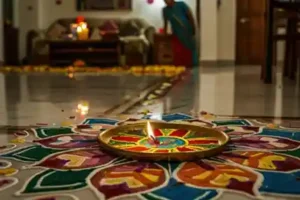
For many Indian households, a pooja room or prayer space is an essential part of the home. It serves as a place for spiritual practice, gratitude, meditation, and connecting with one’s beliefs.
Vastu Shastra traditionally recommends the northeast direction for the pooja room, although east or north locations may also be considered depending on the home’s layout.
Here are some traditional guidelines:
A thoughtfully designed pooja room can help create a spiritual atmosphere and encourage regular prayer and meditation.
Bathrooms and toilets require careful planning because they are essential functional spaces in any modern home. According to Vastu Shastra, their placement is also believed to affect the overall balance of the house.
Traditionally, the northwest or certain west-side zones are considered suitable for toilets, depending on the layout and directional placement.
Some general guidelines include:
Good bathroom design is not only relevant to traditional Vastu principles but is also important for maintaining hygiene, comfort, and healthy living conditions.
The living room is where family members spend time together, entertain guests, relax, and share conversations. According to Vastu, this area should encourage positive interactions, harmony, and openness.
Consider these tips when designing your living room:
A balanced living room layout can support a more comfortable and inviting environment for the entire family.

Colours can have a significant effect on how a person experiences a space. While Vastu Shastra associates certain colours with different directions and elements, colour selection should also take into consideration personal preferences, room size, lighting, and the purpose of each space.
Some commonly preferred colours for different areas of the home include:
Avoid using too many intense colours in a single room. A balanced colour scheme can make your home appear more spacious, peaceful, and aesthetically pleasing.
Also Read: What is the Importance of Vedic Astrology in Marriage Decisions?
Mirrors are useful decorative elements that can make rooms look brighter and more spacious. In Vastu Shastra, however, their placement is often considered important.
Some traditional mirror-placement recommendations include:
Mirrors should be placed where they serve a practical purpose while maintaining a pleasant visual balance within the home.
One of the simplest yet most important Vastu practices is keeping the house clean, organised, and free from unnecessary clutter. A cluttered environment can make spaces feel cramped and stressful, while an organised home encourages relaxation and efficiency.
Follow these practical recommendations:
Among the most practical Vastu Tips for a New Home, cleanliness and organisation are easy to implement regardless of the home’s architectural design.
Natural light and fresh air are important elements of a comfortable and healthy home. Vastu Shastra traditionally values openness and the connection between indoor spaces and nature.
Whenever possible, plan your home to allow adequate sunlight and airflow.
A home that receives adequate sunlight and ventilation generally feels fresher, more comfortable, and more inviting.
Indoor plants are a popular way to add natural beauty, freshness, and warmth to a home. In Vastu traditions, certain plants are also associated with prosperity, harmony, and positive surroundings.
Some plants commonly used in homes include:
However, plants should be selected according to the available light, humidity, and space. Avoid keeping dead, diseased, or poorly maintained plants inside the house. Healthy plants and a well-maintained garden or balcony can improve the visual appeal of your home and make it feel closer to nature.
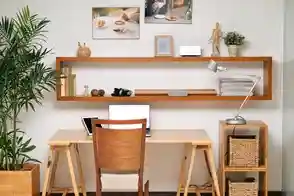
A study room or work-from-home area is increasingly important in modern homes. Students need an environment conducive to learning, while professionals need a space that supports concentration and productivity.
According to traditional Vastu principles:
The right arrangement can help create a productive workspace while making daily studying and working more comfortable.
The central portion of a house, known traditionally as the Brahmasthan, is considered an important area in Vastu Shastra. It is often recommended to keep this zone relatively open and free from heavy obstructions.
While modern homes and apartments may not always allow for a completely open centre, homeowners can still follow some practical suggestions:
An open and uncluttered central area can make a house feel more spacious and allow family members to move around comfortably.
One of the most important decisions is choosing the right property in the first place. While many Vastu-related changes can be made after purchasing a house, certain structural elements may be difficult or expensive to modify.
Before finalising a new home, consider consulting an experienced Vastu professional regarding:
Consulting a knowledgeable Best astrologer in Kolkata or Vastu consultant before purchasing or constructing a property can help you understand the traditional Vastu considerations of the home and make more informed decisions.
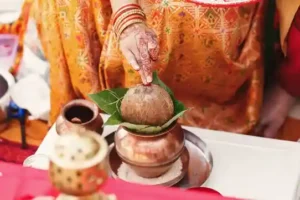
Griha Pravesh is a traditional Hindu housewarming ceremony performed before entering a new home. It is considered an auspicious occasion to seek blessings for happiness, peace, prosperity, and protection for the family.
The timing of the ceremony is traditionally selected according to the Hindu calendar, considering factors such as tithi, nakshatra, weekday, and other astrological considerations.
Some common Griha Pravesh practices include:
A properly planned Griha Pravesh ceremony can make the occasion spiritually meaningful and memorable for the family.
Although Vastu Shastra is important for many homeowners, it is equally essential to consider practical aspects of home design. A house should be safe, functional, comfortable, and suitable for the needs of its residents.
While following Vastu recommendations, make sure that you do not compromise on:
Traditional Vastu guidance should be balanced with practical requirements, architectural expertise, and the realities of the property’s design.
Moving into a new home is a special experience that represents new beginnings, hopes, and opportunities. By planning the entrance, kitchen, bedrooms, pooja room, living room, and other areas thoughtfully, homeowners can create a space that feels peaceful, welcoming, and harmonious.
Following the right Vastu Tips for a New Home can help you make more mindful choices regarding directions, room arrangements, colours, lighting, cleanliness, and the overall layout of your property. From keeping the northeast area clean to choosing an appropriate entrance and performing Griha Pravesh at an auspicious time, every aspect can contribute to a meaningful home environment.
However, every property is different. Vastu recommendations should ideally be evaluated according to the home’s actual direction, floor plan, construction, and the family’s requirements rather than following general rules blindly.
If you are planning to buy, build, or move into a new house, consulting an experienced Best astrologer in Kolkata can help you understand Vastu principles and traditional astrological considerations for your new home. With thoughtful planning, practical decisions, and a positive outlook, you can make your new home a place of peace, happiness, prosperity, and lasting memories.