Posted Date: 12 Aug, 2026
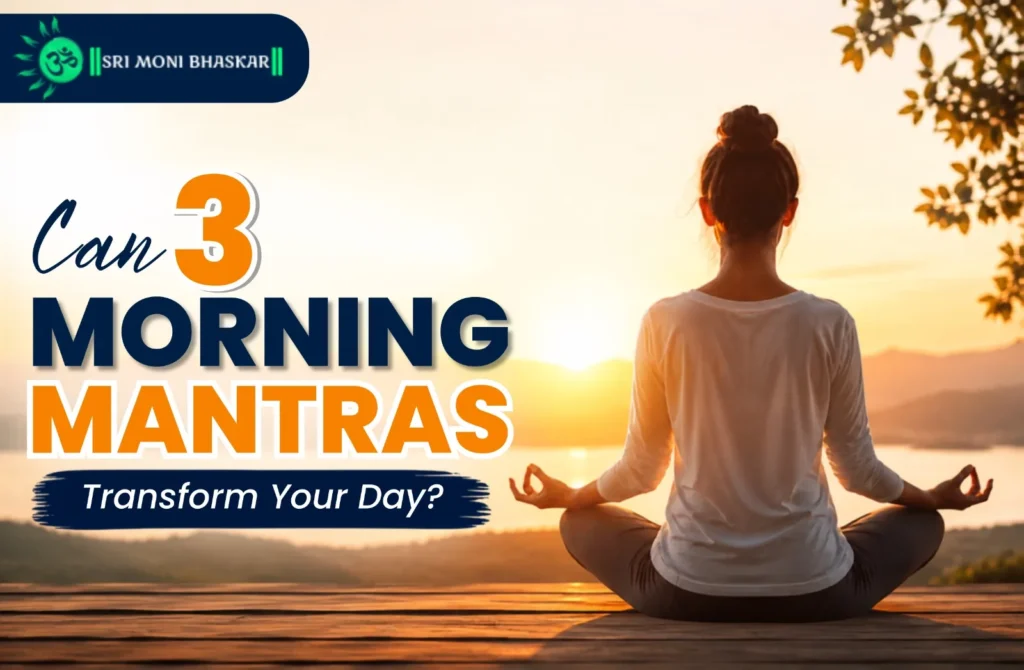
A mindful morning can shape your thoughts, emotions, and intentions for the hours ahead. Practising Mudra and Chanting with simple morning mantras may encourage inner calm, positive energy, and focused awareness.If you’re asking, “Which three mantras are best for starting your day ?”A consistent routine can make spiritual practice easier and more purposeful. .
The ideal morning mantra should be simple, meaningful, and easy to repeat consistently. Three traditional choices are:
| Morning Mantra | Purpose | Suggested Practice |
| Om | Calmness and mindful awareness | Chant slowly for 3–5 minutes |
| Gayatri Mantra | Clarity, wisdom, and positive intention | Chant respectfully in a quiet space |
| Mahamrityunjaya Mantra | Inner strength and spiritual protection | Repeat with focused awareness |
These mantras can become part of a daily morning mantra routine guide, especially when combined with conscious breathing, meditation, and a suitable hand gesture or mudra.
The first moments after waking often influence how you approach the rest of the day. Instead of immediately checking notifications or rushing into responsibilities, a few minutes of chanting can create a deliberate transition from rest to awareness.
Mantra practice is traditionally associated with focused repetition and spiritual discipline. From an E-E-A-T perspective, it is important to understand that spiritual practices should not be presented as guaranteed medical treatments. Their value can be approached through personal experience, mindfulness, cultural tradition, and consistent practice. To Get more details abut Sri Moni Bhaskar visit our Youtube Page click: https://www.youtube.com/@DreamDestiny
A morning mantra routine may help you:
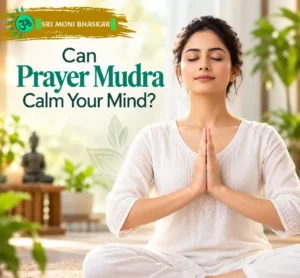
Mudra and Chanting can be incorporated into the same meditation practice. A mudra is a symbolic hand position traditionally used in yogic and spiritual practices, while chanting involves the intentional repetition of a mantra or sacred sound.
The combination can make a morning session more structured.
For example, sit comfortably, keep your spine naturally upright, place your hands in a comfortable mudra, regulate your breathing, and then begin your selected mantra. Rather than rushing through repetitions, focus on pronunciation, rhythm, breath, and intention.
Consistency is generally more useful than creating an unnecessarily long routine.
If your goal is to establish the best morning mantras to start the day positively, choose a mantra that you can practise respectfully and consistently.
Om is among the most widely recognized sacred sounds in Indian spiritual practices. It can serve as an easy starting point for meditation and mindful chanting.
Because it is short, beginners can easily incorporate it into a morning routine.Find a comfortable position, breathe naturally, and slowly chant Om while keeping your focus on its sound.
The Gayatri Mantra is traditionally associated with prayer for illumination, wisdom, and higher understanding. It can be included in a morning spiritual practice when approached with appropriate understanding and respect.
Rather than treating repetition as a quick solution to every problem, focus on its meaning, pronunciation, intention, and consistency.
The Mahamrityunjaya Mantra holds an important place in Hindu spiritual tradition and is traditionally connected with prayer, devotion, and spiritual strength.
Those who already follow this practice may incorporate it into their morning routine according to their tradition or guidance from a knowledgeable practitioner.
A daily morning mantra routine guide does not need to be complicated. A practical routine can take between 10 and 20 minutes depending on your preference.
| Time | Practice | Focus |
| 2 minutes | Quiet sitting | Settle the mind |
| 3 minutes | Deep, natural breathing | Become aware of the breath |
| 5 minutes | Mantra chanting | Focus on sound and intention |
| 3 minutes | Mudra and meditation | Maintain stillness |
| 2 minutes | Personal affirmation/prayer | Set a positive intention |
The objective is not to complete a fixed number of minutes perfectly. The objective is to create a sustainable spiritual habit.
A best guided morning meditation with mantras can be useful for people who find it difficult to practise independently. Guided sessions can provide structure by directing attention toward breathing, chanting, relaxation, and intention.
However, the “best” meditation depends on your experience, spiritual tradition, comfort level, and personal goals. A beginner may prefer a short guided session, while someone experienced in meditation may want a quieter, self-directed practice.
Mantra and prayer overlap in some spiritual practices, but they are not necessarily identical. A mantra may involve repeated sacred sound or words, while prayer may express devotion, gratitude, surrender, intention, or a request.
The concept of healing prayer energy is often understood spiritually rather than as a substitute for professional healthcare. If you explore a Healing Prayer Energy course, evaluate the teacher, methodology, cultural context, and claims carefully.
A responsible spiritual practice should complement—not replace—appropriate medical, psychological, or professional support when needed.
Simply repeating words may become routine if there is no attention behind the practice. To make chanting more meaningful, connect the mantra with an intention.
Understand: Learn what the mantra traditionally represents.
Focus: Pay attention to pronunciation, rhythm, breath, and sound.
Reflect: After chanting, spend a moment noticing your thoughts and setting an intention for the day.
This approach supports a broader content cluster around mantra meditation, morning mindfulness, spiritual wellness, meditation techniques, prayer practice, mudras, Vedic traditions, and positive daily habits.
A healthy spiritual routine should feel sustainable rather than stressful.
Avoid:
If a particular mantra, mudra, or spiritual practice has religious significance for you, learning from a knowledgeable teacher can help you approach it appropriately.
Yes. Personalisation can make a routine easier to maintain. Your chosen mantra may depend on your spiritual tradition, intention, experience, preferred meditation style, and the guidance you have received.
Someone seeking calm may prefer a simple sound-based meditation. Another person may want a devotional prayer. Someone following a Vedic spiritual practice may seek guidance regarding a particular mantra and its traditional method of chanting.
For personalised guidance, you can book personal mantra consultation with a qualified and experienced spiritual practitioner who can explain the practice according to your individual needs and tradition.
Astrologer Shri Moni Bhaskar can help individuals explore a more personalised approach to spiritual practices such as mantra, meditation, prayer, and traditional Vedic practices.
A personalized consultation can be useful when you want to understand how to create a consistent routine rather than simply selecting a popular mantra from the internet. Discussing your intentions and existing spiritual practice can help make the process more focused and meaningful.
For anyone exploring Mudra and Chanting, mantra consultation, or a structured morning spiritual practice, guidance should emphasise traditional context, responsible expectations, pronunciation, consistency, and personal suitability. Check our Client’s testimonial click: https://bit.ly/4wPAIb2
What are the 3 mantras to start your day?
Three commonly practised morning mantras are Om, the Gayatri Mantra, and the Mahamrityunjaya Mantra. Each has a different traditional significance and should be practised with understanding, respect, and appropriate guidance.
Which mantra is best to chant in the morning?
There is no single mantra that is universally “best.” Om is a simple option for beginners, while the Gayatri and Mahamrityunjaya mantras may suit people who already follow their respective spiritual traditions.
How long should I chant a morning mantra?
Beginners can start with around 5 minutes and gradually develop a longer routine if comfortable. Consistent, attentive practice is generally more practical than forcing a lengthy session.
Can I practise Mudra and Chanting together?
Yes. A comfortable mudra can be incorporated while chanting or meditating. Choose a traditional practice that you understand and can maintain comfortably rather than treating the mudra as a guaranteed remedy.
Should I meditate before or after chanting?
Either approach can work. Many people find it convenient to begin with breathing, continue with chanting, and finish with a few minutes of silent meditation. Experiment to discover which sequence helps you remain focused.
Can morning mantras make me positive all day?
Mantras cannot guarantee a particular emotional state throughout the day. However, a consistent morning practice may provide a mindful starting point and encourage greater intentionality, reflection, and calm.
Is a guided morning meditation better for beginners?
A guided session can be helpful because it provides structure and instructions. Beginners can use it to learn breathing, attention, chanting, and meditation techniques before gradually developing an independent practice.
A 10-Minute Morning Mantra Routine
For readers looking for a practical daily morning mantra routine guide, try this simple sequence:
Minutes 1–2: Sit quietly and breathe naturally.
Minutes 3–5: Chant Om slowly and maintain attention on the sound.
Minutes 6–8: Practise your chosen traditional mantra with awareness.
Minute 9: Sit silently with your hands resting comfortably in a mudra.
Minute 10: Express gratitude or set one positive intention for the day.
The routine can be adjusted according to your tradition, experience, and available time.
The power of a morning spiritual routine lies less in complexity and more in consistency. Mudra and Chanting, mindful breathing, meditation, prayer, and positive intention can create a structured beginning to the day. Whether you choose Om, the Gayatri Mantra, or the Mahamrityunjaya Mantra, approach the practice with respect, understanding, and realistic expectations. Personal guidance can further support a meaningful and sustainable routine.
A thoughtful morning routine can create space for awareness before daily responsibilities begin. Practising Mudra and Chanting with traditional mantras may support mindfulness, intention, and spiritual discipline. Start with a simple routine, learn the meaning of your chosen mantra, and remain consistent. For personalised spiritual guidance, consider a book personal mantra consultation approach with an experienced practitioner such as Astrologer Shri Moni Bhaskar. Visit Our Map Address click: https://www.google.com/maps/place/Sri+Moni+Bhaskar+(+Dream+Destiny+)/@22.5166245,88.3246825,13z/data=!4m7!3m6!1s0xa994e21f83d7037:0xcfb8305964875375!8m2!3d22.5166245!4d88.3658812!15sChBzcmkgbW9uaSBiaGFza2FyWhIiEHNyaSBtb25pIGJoYXNrYXKSAQphc3Ryb2xvZ2Vy4AEA!16s%2Fg%2F11xgfhdvsk